-
Festival Evening Talk — Heather Cahoon
-
Afternoon
1 to 3:30 p.m. — Debut Fiction: Kyle Edwards / Jon Hickey / Mariah Rigg
3:30 to 5 p.m. — Nonfiction: Elissa Washuta / Byron Aspaas / TBD
Evening
Festival Evening Talk: Jake Skeets
-
Morning
9:30 to 11 a.m. — Blackfeet Visual Artists: John Pepion, Terran Last Gun, TBD
11:30 to 1 p.m. — Tribal Sovereignty: April Youpee-Roll, Evan Thompson, Monte Mills
Afternoon
1:30 to 3 p.m. — Native Horror: Stephen Graham Jones
Evening
7:30 to 9:30 p.m. - We Talk, You Listen: Arthur Sze, Sherwin Bitsui, dg nanouk okpik
SCHEDULE
All festival events are free and open to the public.
-
There is no place for Native writers to talk publicly about our work, with each other. We wanted to create that space.
-
Plane. Automobile. Foot. Your uncle might come by horse.
-
Anyone. This festival is a place for Natives and non-Natives. The kind of event that sparks insight and dialogue for everyone involved.
-
Missoula, Montana, in the traditional homelands of the Salish and Kalispel. All events will be held at The Wilma (131 S. Higgins Ave.) and the Missoula Public Library (455 E. Main St.)
-
The festival will be July 28-30, 2022. The next will be summer 2024. Why biannual? Well, we're Indians. We like each other but not that much.
-
All events are free and open to the public.
-
Your generous donation makes the James Welch Native Lit Festival possible. Use the donate button below to contribute to this inaugural event.
FAQs
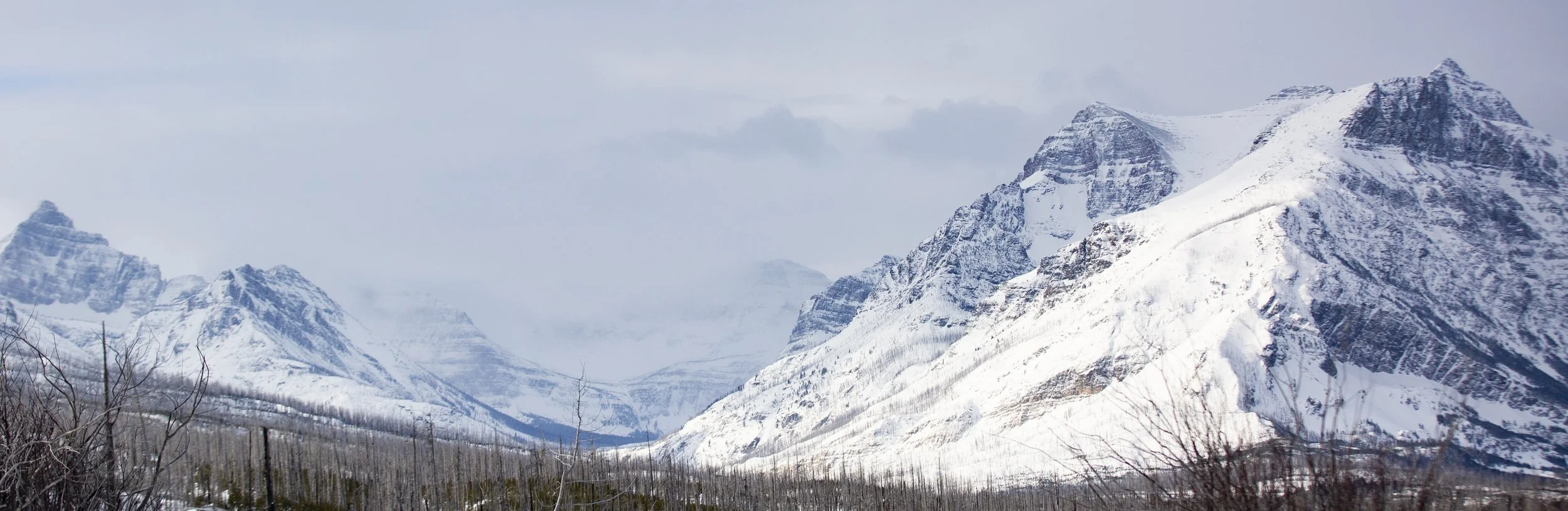

July 16-18, 2026 / Missoula, Montana
“Jim knew Indians were expected to fail. It's long been the national myth. Indians weren't considered by white people to have the capacity for 'civilized' success. They were not supposed to have incurred permanent damage from the massacres, starvation, boarding schools and other degradations during the period between meeting and being reservationed by the white man. Instead, they were supposed to assimilate, disappear, stop being a problem. Jim was himself a living example of the counter-narrative to the expectation set by that story: he lived a life that could be considered successful by any standard. But that success wasn't in spite of his Blackfeet heritage, it was because of it. He was a successful Indian writer — but he wasn't assimilated into anonymity."
— Lois Welch